Trading Psychology: Why Quants Don't Love Their Ideas

Trading Psychology: Why Quants Don't Love Their Ideas
Every investor has an idea they're sure about. That certainty is usually the problem. The more you want an idea to be right, the harder it becomes to test it honestly. That's trading psychology at work, and it doesn't spare anyone, professional quants included. The difference is that quant researchers build habits designed to catch it, and any investor can borrow them.
What Is Trading Psychology?
Trading psychology refers to the emotions and mental shortcuts that shape investment decisions: fear, greed, overconfidence, and the pull to protect a view you've already committed to. The CFA Institute has a nice write-up which explains common behavioral biases in plain language for everyday investors.
Even rules-based investors have to design rules, choose data, and judge whether a test result means anything. Each of those steps involves judgment, and judgment is where bias lives.
Confirmation Bias in Trading: When You Want an Idea to Be True
Confirmation bias in trading is the habit of noticing evidence that supports your idea and discounting evidence that doesn't. Researchers modeled this in a 2017 Review of Financial Studies paper, describing investors who overweight signals that match their existing views. Once you've decided a stock is undervalued or a pattern is real, every headline seems to confirm it. The bias rarely feels like bias. It feels like being right.
The Disposition Effect
Economists Hersh Shefrin and Meir Statman named the disposition effect in a 1985 Journal of Finance paper. It's the tendency to sell winners too early and hold losers too long. Selling a loser means admitting the idea was wrong; holding it keeps the idea alive. In that sense, it's confirmation bias applied to exits: the decision to sell becomes about protecting a belief rather than reassessing it.
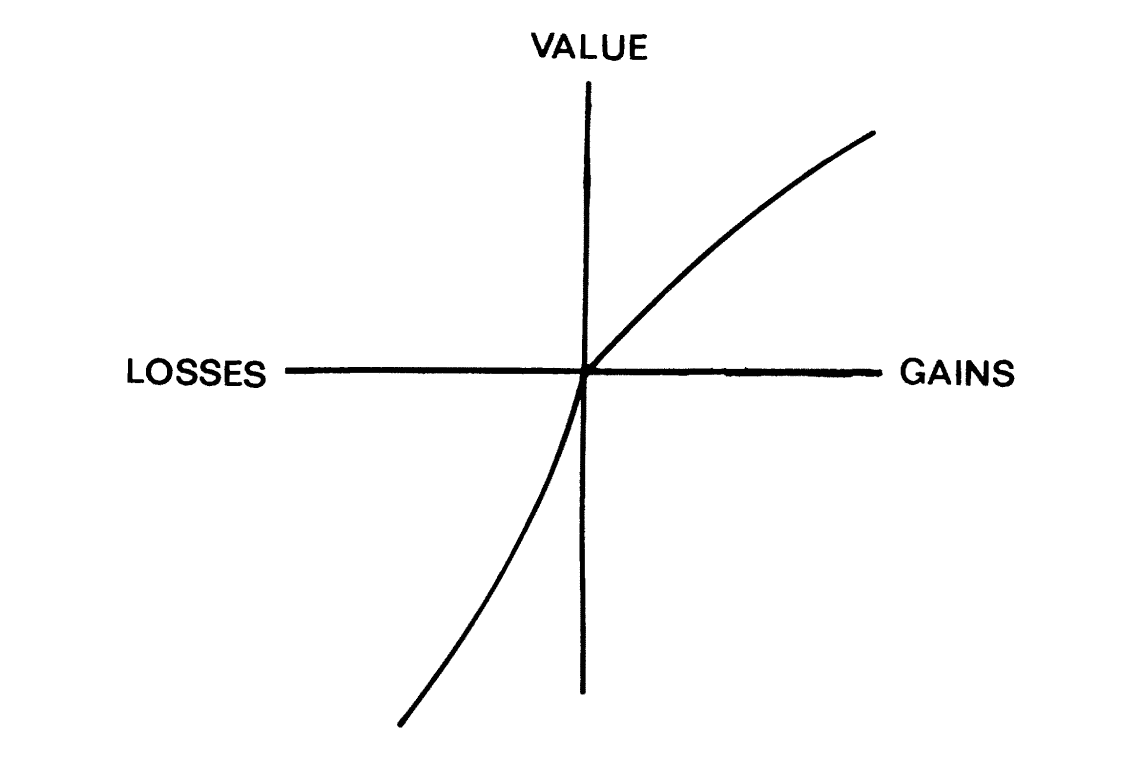
Source: Daniel Kahneman & Amos Tversky, Prospect Theory (1979)
Overfitting in Trading: Bias Dressed Up as Data
Rules-based investors face a quieter version. Overfitting in trading happens when a strategy is adjusted until it fits past data almost perfectly.
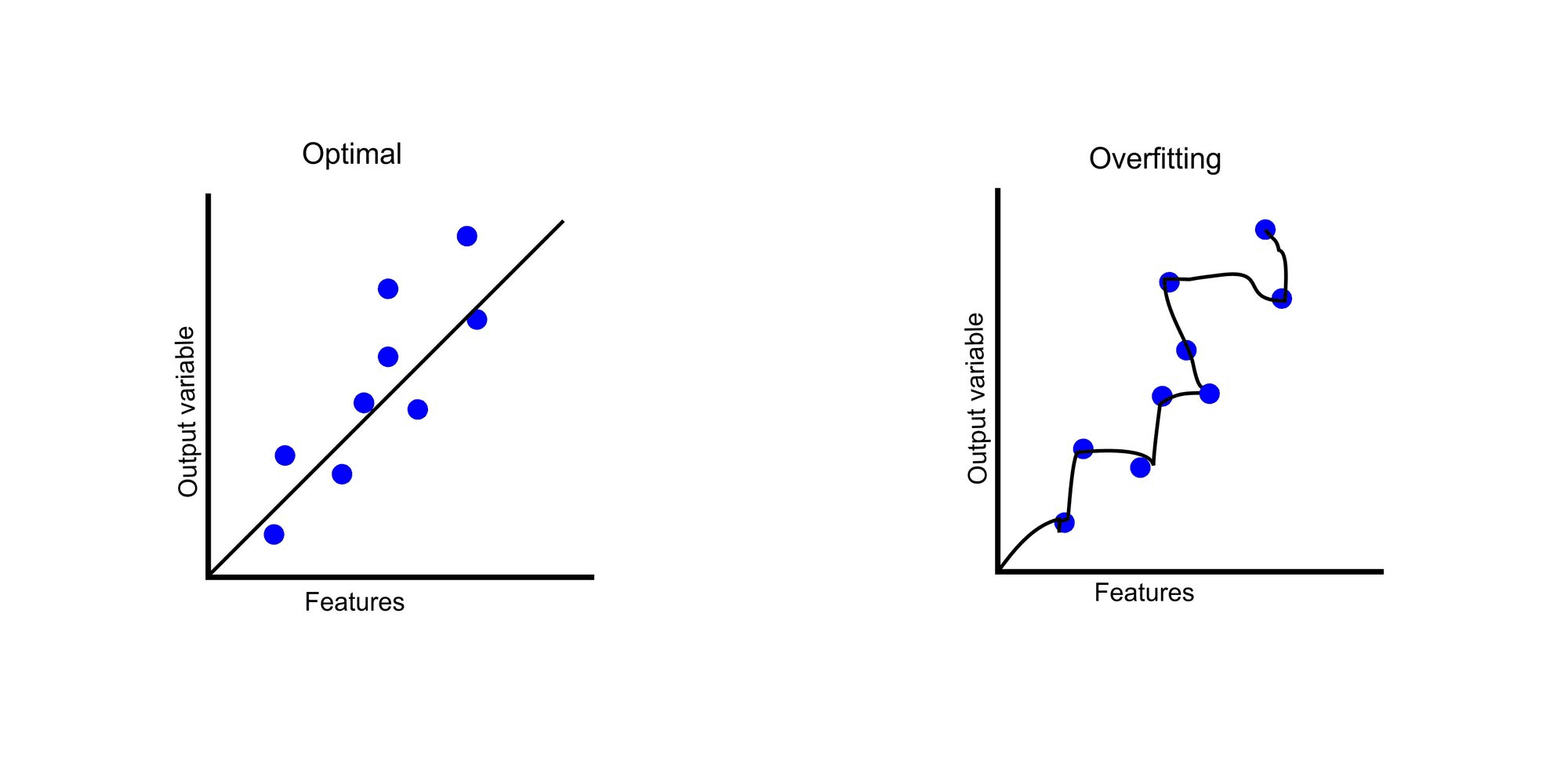
Source: freeCodeCamp
Change the lookback window, add a filter, tweak a threshold, and eventually the historical results look convincing. The problem is that each adjustment teaches the model the noise in that particular stretch of history, not a lasting pattern. It's a classic backtesting pitfall, and it's confirmation bias with a spreadsheet.
How the Quant Research Process Tests Ideas Against Themselves
A well-run quant research process assumes the researcher is biased and builds checks around that assumption. None of these steps guarantees an idea will work. They're designed to make it harder to fool yourself, which is the core idea behind validating a trading strategy.
Write the Hypothesis Down First
Before touching any data, quants write down why they expect an idea to work. What behavior or economic reason should produce the effect? A written hypothesis can be checked against results. An idea without one can be reshaped to fit whatever the data shows afterward.
Hold Back Data You Never Touch
A standard safeguard splits historical data in two. Researchers develop an idea on the first part (in-sample data), then test it once on the second part (out-of-sample data), which they haven't looked at. A time-ordered version repeats this in steps, so each test period always comes after the data used to build the idea. If an idea only holds up on the data it was built from, that's a warning sign. It's an honesty check, not a guarantee: researchers have shown that standard hold-out testing can be unreliable for investment backtests.
Count Your Attempts to Avoid Data Snooping Bias
Data snooping bias creeps in when you test variation after variation of an idea and keep only the one that looks best. Basic statistics explains the risk: at a standard 5% significance level, testing 20 unrelated variations would be expected to produce about one "significant" result by chance alone. Finance researchers Campbell Harvey, Yan Liu, and Heqing Zhu argued in a 2015 Review of Financial Studies paper that the bar for statistical significance should rise as more ideas get tested. The habit: log every test, not just the winners.
Ask What Would Prove the Idea Wrong
Before testing, quants define what result would make them drop the idea. Once results arrive, it's tempting to move the goalposts. A pre-set kill rule turns "I'll know it when I see it" into a decision made before you had a stake in the answer.
Systematic Trading Psychology: Rules Move Emotion, They Don't Remove It
It's easy to assume that following rules removes emotion from investing. It doesn't. Systematic trading psychology is about where emotion shows up instead:
Designing the rule. Choosing which signals, data, and thresholds to use involves the same biases as any other decision.
Overriding the rule. When a rule points one way and your gut points another, the temptation to intervene can be strong.
Abandoning the rule. After a rough stretch, it's tempting to swap a rule for one that recently looked better, restarting the cycle.
Rules change the timing of emotional decisions more than they eliminate them. Managing trading psychology in a rules-based approach means being honest about each of those three moments.
Applying Quant-Style Discipline to Your Own Decisions
You don't need a research team to borrow these habits:
Write down your reason before you act. One or two sentences on why you expect a decision to work.
Decide in advance what would change your mind. Set that bar before you have a stake in the outcome.
Keep a record of every idea you considered, including the ones you didn't act on.
Look for disconfirming evidence on purpose. Ask what someone who disagrees would point to.
Separate reviewing a decision from reviewing an outcome. A sound process can still produce a bad result, and a poor one can get lucky.
Quant investors apply the same logic when they screen stocks using criteria set in advance. The goal isn't to eliminate trading psychology. It's to notice it before it makes the decision for you.
Frequently Asked Questions
What is trading psychology?
Trading psychology is the set of emotions and mental shortcuts that shape investment decisions, like fear, overconfidence, and the urge to defend a view you already hold. It affects rules-based investors too, since people still design and follow the rules.
What is confirmation bias in trading?
It's the tendency to notice evidence that supports your idea and discount evidence that doesn't. In practice, it can mean keeping a position or a rule because you want it to be right, not because the evidence says so.
What is the disposition effect?
It's the tendency to sell investments that have gained value too early and hold ones that have lost value too long, a pattern economists Hersh Shefrin and Meir Statman named in 1985. One explanation is a reluctance to admit an idea was wrong.
How do quants avoid overfitting in trading and data snooping bias?
A disciplined quant research process writes the hypothesis down before testing, holds back out-of-sample data, and logs every variation tested. These steps reduce the chance of mistaking luck for a real pattern, but none guarantees an idea will work.
Why doesn't following rules remove emotion from investing?
Systematic trading psychology recognizes that emotion shifts to designing the rule, overriding it, or abandoning it after a rough stretch. Rules change when emotional decisions happen more than whether they happen.
This content is educational and general. It is not investment, legal, or tax advice, is not a recommendation to buy or sell any security, and does not consider your individual circumstances. Any securities or strategies mentioned are illustrative only. Consult a qualified professional about your situation.

Other blogs